Water Conservation Tips: How Smart Plumbing Can Cut Your Utility Bills Apr 30, 2026
As utility prices climb, it becomes increasingly important to assess how much water you use daily. Simple adjustments in your household plumbing can lead to substantial savings on your water bill. So, where should you start? Here are some strategies that make a noticeable difference.
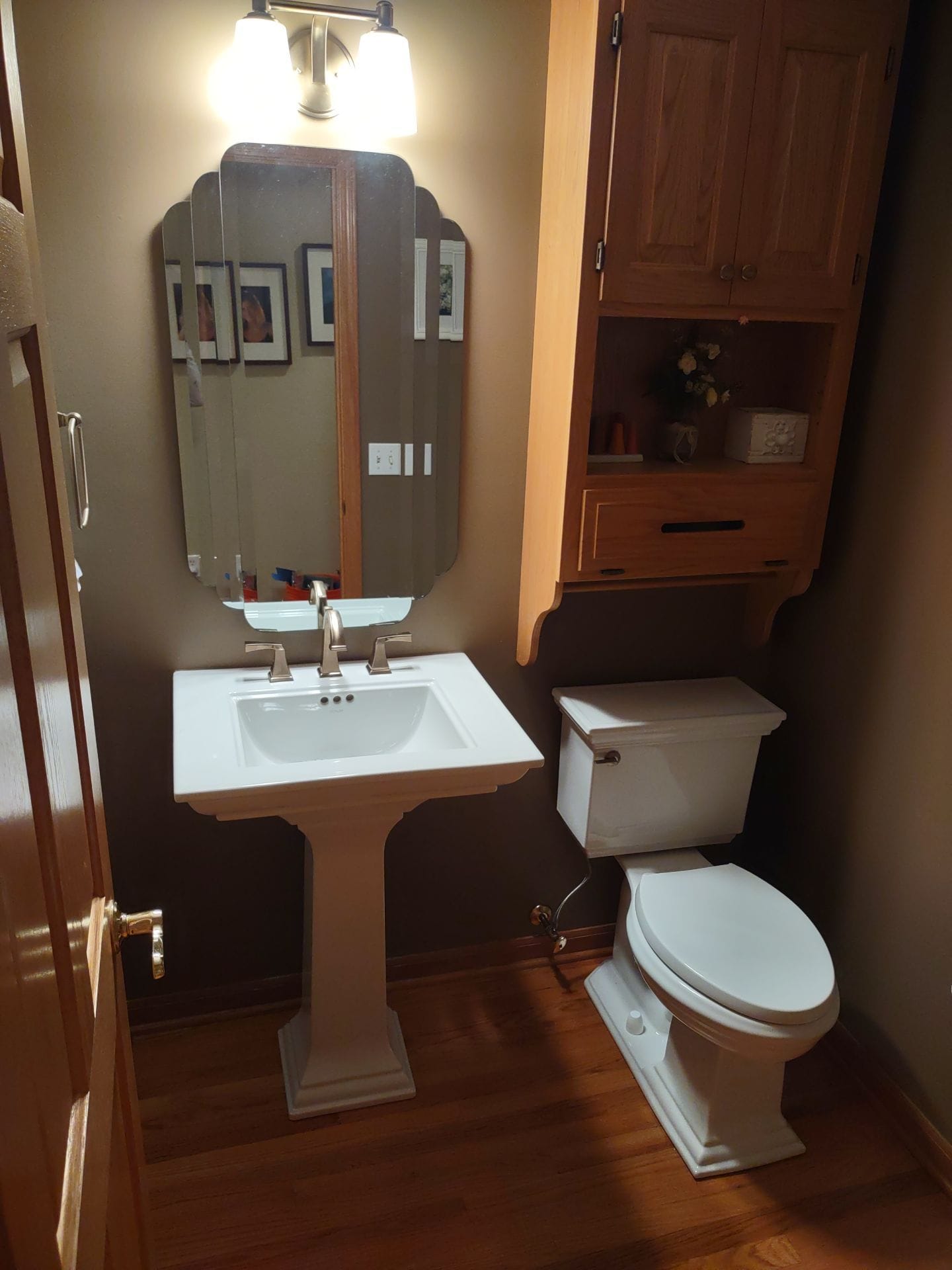
Begin by evaluating your current plumbing fixtures. Old toilets, for example, use significantly more water than their modern counterparts. Replacing outdated models with WaterSense labeled toilets can reduce water use by up to 20%, contributing to lower utility bills. Similarly, consider upgrading to low-flow showerheads and faucets. These fixtures are designed to conserve water without sacrificing performance, ensuring that you still enjoy high water pressure while using less.
Smart plumbing technologies are also worth exploring. Install a smart water meter that monitors usage in real-time. This device provides insights into your daily habits, allowing you to make data-driven decisions on how to adjust routines and reduce waste. You can also invest in a leak detection system which alerts you to leaks before they turn into costly repairs. Even a small drip can result in hundreds of gallons lost per year, impacting both the environment and your finances.
Incorporate water-saving devices within your irrigation system. Smart irrigation controllers adjust watering schedules based on weather conditions and soil moisture. This ensures your lawn receives the necessary hydration without overuse. Additionally, planting drought-resistant plants can further achieve water savings while adding beauty to your garden.
Behavioral changes are just as crucial in water conservation as technological upgrades. Encourage your family to turn off the tap while brushing teeth and to track shower times. Small habits, like waiting to run the dishwasher or washing machine until you have a full load, collectively contribute to a significant reduction in water consumption.
Educating yourself and your household about the true cost of water wastage is an effective way to reinforce conservation practices. Understanding energy consumption associated with heating water for household use adds another layer to your conservation efforts. It's worth noting that reducing hot water usage directly lowers both your water bill and energy costs.
Keep in mind that preventative maintenance plays a key role too. Regular inspections by professional plumbers, like at Top Notch Plumbing and Drain Cleaning, can identify potential issues before becoming severe. Over time, these proactive measures save you from unexpected expenses and support consistent water efficiency.
In conclusion, making smart plumbing decisions and adopting water-saving habits can alter the trajectory of your utility bills significantly. Whether you're replacing old fixtures, employing water-saving technologies, or rethinking everyday routines, every effort counts. You'll appreciate the savings on your next bill, and by adopting these practices, contribute positively to environmental conservation. Remember, at Top Notch Plumbing and Drain Cleaning, we’re here to make the journey towards efficient water use as easy and effective as possible. Reach out for assistance or guidance in choosing the best fixtures and solutions tailored to your home. Your pocket—and the planet—will thank you.
/filters:no_upscale()/filters:format(webp)/media/7165dae5-215a-4280-87ef-73c34f5cecb4.jpeg)
/filters:no_upscale()/filters:format(webp)/media/26201ab3-1e9c-4043-8c7e-0f2b32325356.jpeg)